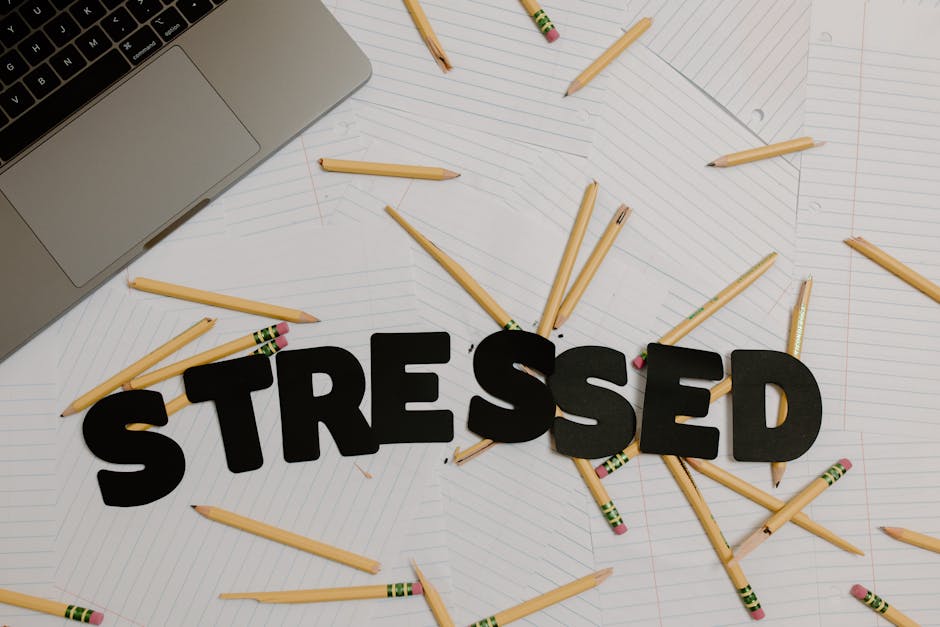
Stress management is an area where professional endorsement and actual clinical evidence frequently diverge. Many techniques are promoted as stress-reducing with the backing of expert opinion, patient testimonials, or small studies, but without the randomized controlled trial evidence that distinguishes genuine effect from placebo and expectation. This article focuses on interventions that have been tested in randomized designs with objective physiological or validated psychological outcome measures.
Cognitive Behavioral Therapy (CBT)
CBT is the most evidence-supported psychological intervention for stress, anxiety, and depression across multiple systematic reviews and meta-analyses. It works by identifying and modifying cognitive distortions, inaccurate or unhelpful thought patterns, that amplify stress responses, and by changing behaviors that maintain or worsen stress.
A 2018 meta-analysis in JAMA Internal Medicine analyzing 41 randomized trials found that CBT-based interventions produced significant reductions in anxiety symptoms and worry compared to control conditions, with effect sizes in the moderate-to-large range.
CBT is typically delivered in 8-20 sessions with a trained therapist. Digital CBT (through apps like Woebot, Headspace’s clinical program, or Silvercloud) has shown efficacy in multiple trials for mild-to-moderate anxiety and stress, with accessibility advantages over in-person therapy.
Mindfulness-Based Stress Reduction (MBSR)
MBSR is an 8-week structured program developed by Jon Kabat-Zinn that trains attention regulation through meditation, body scan exercises, and mindful movement. It has been evaluated in hundreds of randomized trials.
A 2014 JAMA Internal Medicine meta-analysis of 47 randomized trials (3,515 participants) found that mindfulness meditation programs produced moderate reductions in anxiety, depression, and pain. The effect size for anxiety reduction was comparable to antidepressant medications in active control comparisons.
MBSR’s mechanism includes measured reductions in cortisol (salivary cortisol measured before and after the 8-week program), changes in gray matter density in the hippocampus and prefrontal cortex, and improved HRV (heart rate variability), a marker of autonomic nervous system regulation.
The investment required, 8 group sessions plus 45 minutes of daily practice, is substantial, which affects adherence and real-world effectiveness compared to lab conditions.
Regular Aerobic Exercise
Exercise is a physiological stressor in the short term (it raises cortisol acutely) that produces adaptation over time toward lower baseline cortisol and improved HPA axis regulation. The stress-buffering effect of regular exercise is well-documented.
The mechanisms include: increased GABA receptor sensitivity (reducing anxiety at the neurological level), increased BDNF (supporting hippocampal health, which modulates HPA axis), and parasympathetic nervous system upregulation (improving heart rate variability). These are covered in more depth in Exercise and Brain Health: The BDNF Connection.
For stress specifically, 150 minutes per week of moderate-intensity aerobic exercise, the standard public health recommendation, consistently reduces self-reported stress and anxiety measures in randomized trials.
Progressive Muscle Relaxation (PMR)
PMR involves systematically tensing and then releasing muscle groups throughout the body, producing peripheral relaxation that influences central nervous system arousal. It is easy to learn, requires no equipment, and can be performed in 15-20 minutes.
Multiple randomized trials show PMR reduces physiological stress markers including heart rate, blood pressure, and skin conductance in acute stress conditions. A 2008 review in the Journal of Advanced Nursing found PMR effective for reducing anxiety in clinical and non-clinical populations.
PMR is best used for acute stress management, before a stressful event or as part of a daily relaxation routine, rather than as a treatment for chronic stress disorders.
Deep Breathing and HRV Biofeedback
Slow diaphragmatic breathing at approximately 5-6 breaths per minute (resonance breathing frequency) maximally amplifies heart rate variability (HRV) through respiratory sinus arrhythmia. High HRV is a marker of parasympathetic dominance and reflects good cardiovascular and autonomic health.
A 2017 systematic review in Frontiers in Psychology found that HRV biofeedback, using real-time feedback to train slow breathing, reduced self-reported stress and anxiety and improved HRV measures. Improvement was maintained at follow-up assessments. Apps like Elite HRV and Inner Balance (HeartMath) provide accessible HRV biofeedback without clinical equipment.
Social Connection
Strong social networks buffer the physiological stress response. Perceived social support reduces HPA axis reactivity to stressors, people with strong social support show smaller cortisol rises and faster recovery from the same stressors compared to those with weak support. This is documented across multiple laboratory stress induction studies.
The mechanism is partly oxytocin-mediated: social bonding stimulates oxytocin release, which attenuates HPA axis activation directly.
This is not easily packaged as an intervention, but it underscores that social isolation is itself a physiological stress that compounds other stressors and reduces the body’s resilience.
What Does Not Have Strong Evidence
Supplements marketed as adaptogens: Ashwagandha has some evidence for cortisol reduction (covered in Cortisol and Testosterone). Most others, ginseng, rhodiola, holy basil, have weak or mixed evidence in humans.
Massage: Reduces acute cortisol transiently and improves mood acutely. Whether regular massage produces durable stress reduction is less established.
Journaling: Some evidence for benefit from expressive writing in processing difficult experiences. General journaling without a structured approach has weaker evidence.
For the specific effects of cortisol on memory and cognitive function, see Chronic Stress and Memory: What Cortisol Does to the Brain.