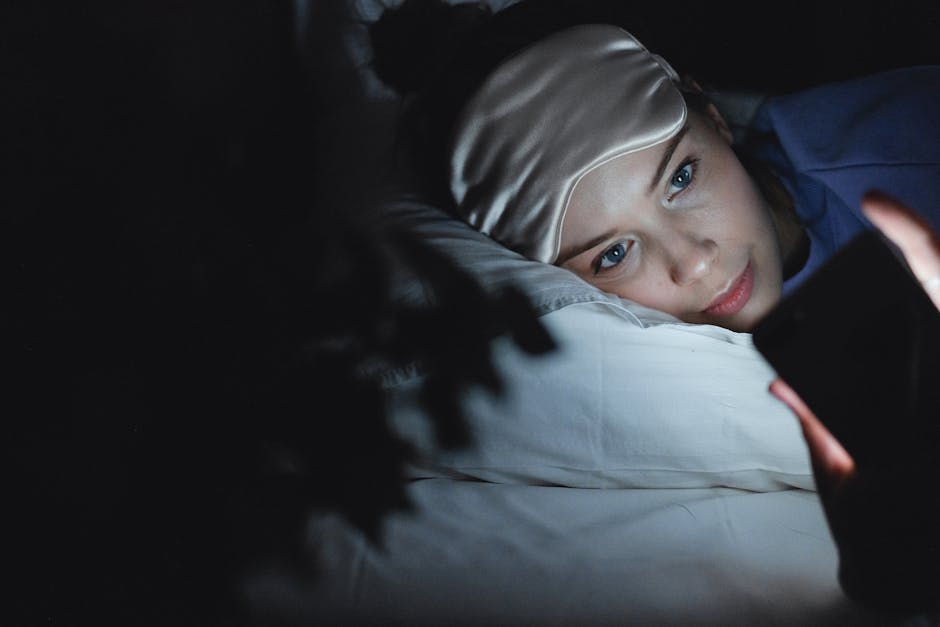
The advice to avoid screens before bed because of blue light is ubiquitous in sleep hygiene guides. The underlying science, blue light suppresses melatonin production, is real. The claim that this meaningfully explains why people sleep worse after screen use is more contested than its public health prominence suggests. The best controlled research points to mental stimulation and arousal from screen content as a larger contributor to pre-sleep cognitive activation than blue light’s photochemical effects.
Why Blue Light Matters Biologically
Melanopsin-containing retinal ganglion cells (ipRGCs) in the eye are specifically sensitive to short-wavelength (blue) light at approximately 480 nm. These cells connect to the suprachiasmatic nucleus (SCN), the brain’s master circadian clock, and send light-dark signals that regulate the timing of melatonin release from the pineal gland.
Blue-rich light, most abundant in natural daylight and also emitted by LED screens, is more effective at suppressing melatonin secretion than longer wavelengths. Evening exposure to blue light delays the circadian melatonin onset, effectively signaling “day” to the circadian system and delaying readiness for sleep.
This mechanism is not disputed. The debate is about magnitude and practical significance relative to other sleep-disrupting behaviors.
What the Controlled Trials Show
Studies that have specifically tested whether blue light filtering (via glasses or screen settings) improves sleep outcomes show modest and inconsistent results.
A 2021 randomized controlled trial in Sleep Medicine enrolled 120 adults and randomized them to blue-light blocking glasses, clear lenses, or no intervention for two weeks while maintaining their usual screen habits before bed. There were no significant differences in sleep quality, sleep onset latency, or melatonin levels between groups.
A 2020 meta-analysis reviewing 13 studies found that blue-light blocking glasses produced inconsistent effects across studies and that the quality of evidence was low.
Where melatonin suppression from blue light has been shown most clearly is in laboratory studies using high-intensity pure blue light sources that do not reflect typical real-world screen use. The blue light output from a typical smartphone at typical nighttime brightness is substantially lower than the levels that produce dramatic melatonin suppression in laboratory settings.
What Actually Explains Screen-Related Sleep Disruption
Three factors appear more reliably associated with screen use disrupting sleep than blue light specifically:
Mental stimulation and arousal: Social media, news, email, and engaging video content produce cognitive activation and emotional arousal that interfere with the physiological wind-down required for sleep onset. This is not a blue light effect, it is what the content does to the brain.
Delaying bedtime: Screens are engaging. Using them in bed delays the time at which people put them down and attempt sleep, reducing total sleep duration. This behavior effect is separate from any photochemical effect.
Sleep displacement: Screen use competes with sleep for time in the evening, particularly for people who report not having enough time for sleep.
Does Blue Light Matter At All?
Blue light’s melatonin-suppressing effect is more relevant under specific conditions:
- Very bright screens at full brightness in a very dark room
- Long duration of exposure (2+ hours) at melatonin-sensitive timing (1-2 hours before typical sleep onset)
- Individuals with particularly sensitive melatonin systems (varies individually)
For the average person using a typical smartphone or TV at typical brightness for an hour before bed, the blue light effect on sleep is probably modest relative to the behavioral effects of the content itself.
Practical Implications
If you are trying to improve sleep before bed, the evidence suggests:
- Stopping content that is emotionally arousing or mentally stimulating 30-60 minutes before bed is more effective than blue light filtering
- Reducing total evening screen time reduces both the blue light exposure and the mental arousal/time displacement effects
- Keeping screen brightness low in the evening is low-cost and probably helps at the margin
- Blue light glasses may help for sensitive individuals at high screen brightness; they are not the primary solution for most people
For how melatonin timing interacts with light exposure and circadian rhythm, see Melatonin: Effective Dose, Timing, and What the Research Shows. For sleep and hormone production, see The Sleep-Testosterone Connection.