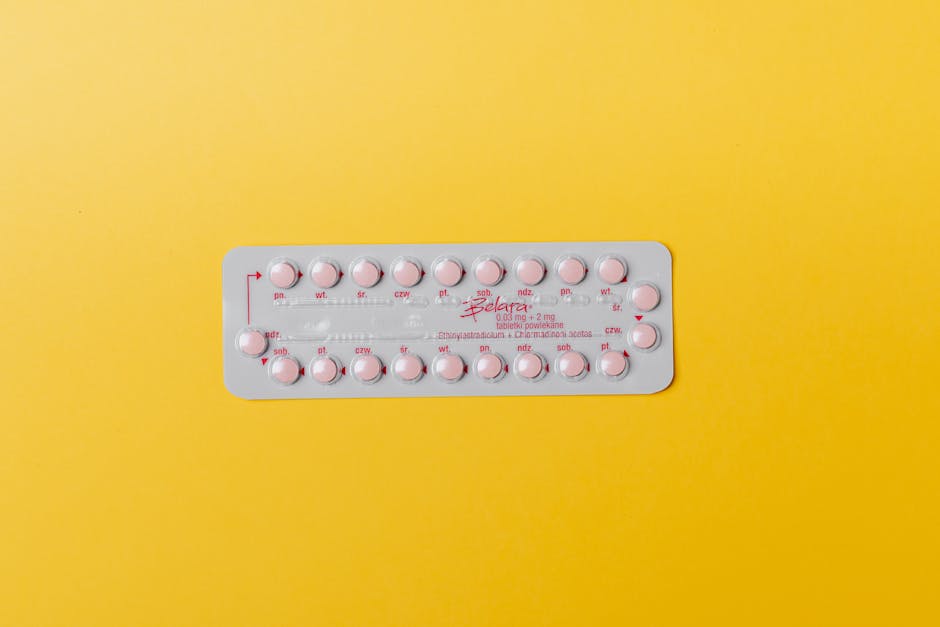
Combined oral contraceptives (COCs) containing both estrogen and progestin raise sex hormone-binding globulin (SHBG) by 2-4 fold. Since SHBG binds testosterone and renders it biologically inactive, the increase in SHBG reduces free testosterone substantially, sometimes by 40-50%, even when total testosterone remains in the normal range. For some women, this reduction in bioavailable testosterone produces a measurable reduction in libido, sexual arousal, and sexual satisfaction.
Not all women on COCs experience sexual side effects. The effect is variable, individual, and influenced by the specific progestin in the formulation, estrogen dose, and individual SHBG sensitivity.
The Biological Mechanism
Estrogen stimulates hepatic SHBG production. COCs contain synthetic estrogens (most commonly ethinyl estradiol) that, when absorbed through the gut and processed by the liver, increase SHBG synthesis substantially. This is a predictable, consistent pharmacological effect of combined oral contraceptives, not a rare side effect.
The increase in SHBG continues for months to years after starting COCs. More relevantly, research from Uppsala University found that SHBG remained elevated for a period of several months to over a year after stopping COCs in some women, suggesting the effect on SHBG persists beyond the pharmacological action of the drug itself. This may explain why some women who stop COCs still have sexual side effects in the months following discontinuation, their SHBG has not normalized.
What the Research Shows About Sexual Function
A 2013 systematic review in the European Journal of Contraception and Reproductive Health Care examined studies of sexual function in COC users. The results were mixed: about one-third of studies found decreased sexual desire, one-third found no change, and a smaller proportion found improvements (often attributable to reduced pregnancy anxiety or relief of dysmenorrhea that had been impairing sexual function).
The variation in findings likely reflects the heterogeneity of COC formulations, the population studied, and the subjective nature of sexual function assessment. Women who experience sexual side effects may be more likely to discontinue or report them in certain study designs.
Which Formulations Are Most and Least Likely to Affect Libido
Estrogen dose: Higher ethinyl estradiol doses raise SHBG more than lower doses. Newer low-dose and ultra-low-dose formulations (10-20 mcg ethinyl estradiol versus the older 35-50 mcg) produce smaller SHBG increases.
Progestin androgenicity: Some progestins in COCs have mild androgenic properties (levonorgestrel, norgestimate), which partially offset the SHBG-mediated free testosterone reduction. Progestins with anti-androgenic properties (drospirenone, cyproterone acetate) have no offsetting androgenic effect and may produce more pronounced effects on sexual desire.
Progestin-only pills: The “mini-pill” (progestin only) does not contain estrogen and therefore does not raise SHBG to the same extent. Women who experience sexual side effects on COCs sometimes do better on progestin-only methods. However, progestin-only pills have strict timing requirements (within 3 hours daily) that reduce their practical convenience.
Alternatives to Consider
Women who experience reduced libido or sexual satisfaction that they attribute to COCs have several options:
Non-hormonal contraception: Copper IUDs provide highly effective contraception without hormonal effects. They do not affect SHBG or testosterone.
Hormonal IUDs (Mirena, Kyleena): These deliver low-dose progestin locally with minimal systemic absorption. They do not produce the SHBG elevation characteristic of COCs and are generally considered unlikely to cause the same sexual side effects.
Lower-dose or different formulation COC: Switching to a formulation with lower estrogen dose or a more androgenic progestin sometimes improves sexual function while maintaining contraceptive efficacy.
Non-pill methods: The patch and vaginal ring use different delivery routes and may affect SHBG differently, though they still contain estrogen and some SHBG elevation occurs.
The Clinical Conversation That Often Doesn’t Happen
Many women are not told about the potential for oral contraceptives to affect libido. The package insert lists sexual desire changes as a potential side effect, but this is not consistently discussed during prescribing consultations. Women who experience reduced libido after starting a COC may attribute it to their relationship or stress rather than the medication.
If libido reduced after starting COCs and no other explanation is apparent, discussing the SHBG mechanism with a prescribing clinician and considering a trial of a non-hormonal or low-estrogen option is reasonable.
For more on female testosterone and its role in sexual function, see Female Testosterone: What Normal Levels Look Like and Why They Matter.