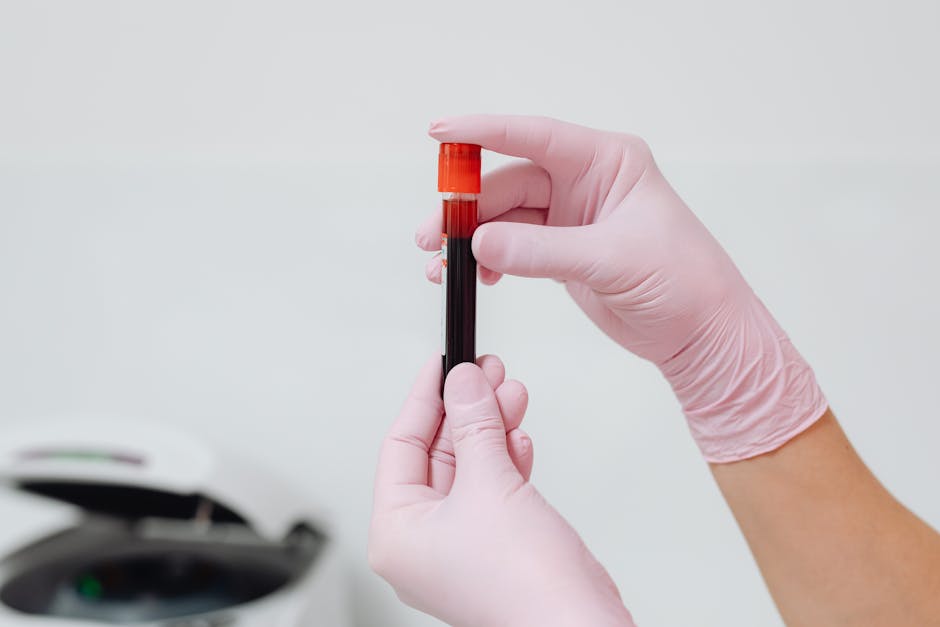
Iron deficiency is the most common micronutrient deficiency in the world, affecting an estimated 1-2 billion people globally according to the WHO. In women of reproductive age, it is particularly prevalent because menstrual blood loss depletes iron stores monthly. The problem for many women seeking diagnosis is that standard iron tests, hemoglobin and hematocrit, only identify iron deficiency once it has progressed to anemia. Ferritin, the storage form of iron, falls much earlier and is the sensitive test for detecting deficiency before anemia develops.
The Iron Deficiency Spectrum
Iron deficiency occurs in stages:
Stage 1, Storage depletion: Ferritin falls as the body draws down its iron reserves. Hemoglobin remains normal. No anemia. Symptoms may already be present.
Stage 2, Iron-deficient erythropoiesis: Iron transport falls (serum iron and transferrin saturation decrease). The body has trouble producing fully iron-loaded red blood cells but hemoglobin still stays above the anemia threshold.
Stage 3, Iron deficiency anemia: Hemoglobin falls below 12 g/dL in women. This is what a standard CBC (complete blood count) detects.
Most iron deficiency symptoms, fatigue, reduced exercise performance, hair loss, cognitive effects, begin appearing in stage 1 or stage 2, well before anemia is present. Telling a woman “your iron is fine” after a CBC is normal misses iron deficiency in these earlier stages.
Why Ferritin Is the Correct Test
Ferritin is a protein that stores and releases iron as needed. Serum ferritin level directly reflects total body iron stores. It falls in stage 1 iron deficiency before any other iron marker changes. A woman can have normal hemoglobin, normal hematocrit, and normal serum iron, but low ferritin, and be iron deficient in a way that is causing real symptoms.
Ferritin interpretation:
- Below 15 ng/mL: Universally accepted as iron deficiency
- 15-30 ng/mL: Likely iron deficient, especially if symptoms are present
- 30-70 ng/mL: Insufficient for optimal function in athletes and some symptomatic individuals
- Above 100 ng/mL: Adequate in most contexts
The threshold for optimal ferritin is contested. For hair loss specifically, published research suggests ferritin below 40-70 ng/mL is associated with increased shedding even in the absence of anemia. For athletic performance, sports medicine researchers have proposed optimal ranges of 50-100 ng/mL or higher for female athletes.
Iron and Hair Loss
Iron is required for DNA synthesis in rapidly dividing cells, including the cells of the hair follicle matrix. Iron-deficient follicles may produce thinner, shorter hairs and shed more readily.
The association between low ferritin and hair loss is documented in multiple studies. A 2006 study in the Journal of the American Academy of Dermatology found that ferritin below 40 ng/mL was associated with hair loss in women, independent of hemoglobin. This finding has driven the clinical practice of targeting ferritin above 40-70 ng/mL in women with hair loss, even without frank anemia.
Whether iron supplementation clearly resolves hair loss when ferritin is in the 30-70 ng/mL range is less definitively shown, but clinical practice, particularly in dermatology, supports repleting iron in this range when hair loss is present.
Iron and Fatigue
Fatigue is the most commonly reported symptom of iron deficiency, even at stages before anemia. Iron is required for mitochondrial function and ATP production beyond its role in hemoglobin. Iron-dependent enzymes in the electron transport chain are affected by iron deficiency before red blood cell production is impaired.
A 2003 randomized trial in the BMJ found that iron supplementation in women with low ferritin (below 50 ng/mL) but normal hemoglobin produced significant improvement in fatigue scores over 12 weeks compared to placebo. This trial is significant because it demonstrated a treatment effect in non-anemic women, challenging the assumption that iron supplementation only helps women with documented anemia.
Iron and Athletic Performance
Female athletes have substantially higher iron requirements than non-athletes due to foot-strike hemolysis (mechanical destruction of red blood cells during running), sweat losses, and the demands of erythropoiesis during intensive training. Iron deficiency without anemia (IDNA) impairs aerobic capacity and exercise economy even before hemoglobin falls.
Sports medicine guidelines recommend routine ferritin monitoring in female endurance athletes and a treatment threshold substantially higher than the general population, many sports medicine physicians target ferritin above 50-75 ng/mL in female athletes.
How to Request the Right Tests
When asking for iron status testing, specify ferritin explicitly. A standard CBC does not include ferritin. A “metabolic panel” does not include ferritin. You need to ask for “serum ferritin” specifically.
A complete iron panel includes ferritin plus serum iron and total iron-binding capacity (TIBC) or transferrin saturation, which add context when ferritin is in the borderline range.
For the connection between iron deficiency and hair loss in the context of other causes, see Why Women Lose Hair: The 6 Most Common Causes and What Helps.