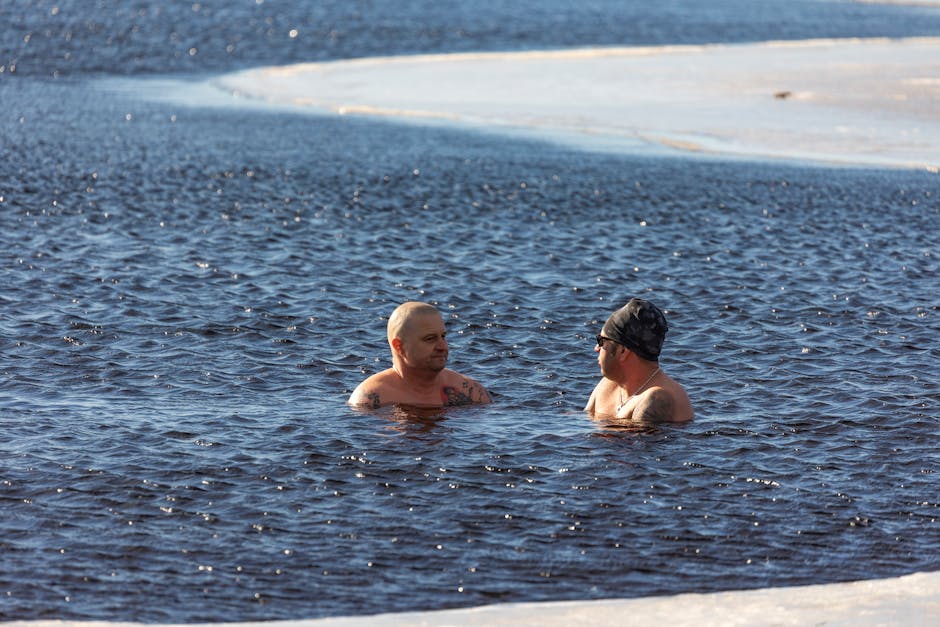
Cold water immersion has developed a significant following in men’s health and performance circles, with testosterone optimization frequently cited as a key benefit. The claim is widespread; the evidence behind it is considerably thinner. Most people promoting the testosterone-cold plunge connection cite a small number of studies that are frequently misinterpreted or apply to different populations than the claim implies.
What the Actual Research Shows
The testosterone-cold plunge claim typically traces to one of two lines of research:
Cold exposure in healthy young men: A handful of studies have examined acute hormonal responses to cold water immersion. A 1991 study in the European Journal of Applied Physiology found that 1-hour exposure to cold water raised cortisol and produced modest transient testosterone increases in young men. A 2007 study in the Neuro Endocrinology Letters found norepinephrine and testosterone increases during cold water swimming. These acute hormonal spikes during immersion do not reliably translate to sustained elevated baseline testosterone.
Scrotal temperature and sperm quality: The testes function optimally at a temperature approximately 2-3°C below core body temperature, which is why they are located outside the body cavity. Elevated scrotal temperature from factors like hot tubs, saunas, or tight clothing impairs spermatogenesis. Cooling the scrotum may restore testicular function impaired by heat. This is a different mechanism from “cold plunge raises testosterone in healthy men”, it addresses heat-induced impairment, not optimization in the absence of heat stress.
What the Research Does Not Show
No randomized controlled trial has demonstrated that regular cold water immersion protocol raises resting testosterone in healthy adult men compared to control. The acute spikes seen in some studies normalize within hours of warming. The repeated acute exposure model, the idea that regular cold exposure chronically elevates testosterone, has not been tested with appropriate methodology.
Some wellness proponents cite animal studies, particularly in fish or rodents, where temperature changes affect gonadal function. Mammalian hormonal physiology in humans does not directly translate from these models.
What Cold Exposure Does Have Evidence For
Cold water immersion does have documented effects in other domains:
Post-exercise recovery: Cold water immersion reduces delayed onset muscle soreness (DOMS) and perceived fatigue after intense exercise. A Cochrane systematic review found that cold water immersion significantly reduced DOMS compared to passive recovery. However, regular cold immersion after resistance training may blunt hypertrophy adaptations by reducing inflammatory signaling that drives muscle growth.
Norepinephrine and mood: Cold exposure significantly elevates norepinephrine, which has mood-elevating and alertness-increasing effects. Many cold plunge users report improved mood and energy, which likely reflects the norepinephrine response rather than testosterone effects.
Parasympathetic adaptation: Regular cold water exposure may improve heart rate variability and stress reactivity, though the evidence is primarily from small observational studies.
The Practical Bottom Line
Cold water immersion is low-risk for most healthy adults, and its post-exercise recovery and mood effects are reasonably supported. The testosterone optimization claim specifically is not supported by the level of evidence the claim implies.
Men who enjoy cold plunges for their documented benefits, recovery, alertness, perceived stress resilience, have reasonable grounds to continue. Men doing cold plunges specifically to raise testosterone are optimizing for an outcome the evidence does not reliably support.
For well-documented lifestyle effects on testosterone, see Natural Ways to Increase Testosterone: What Actually Works. For the sleep-testosterone connection that has stronger evidence, see The Sleep-Testosterone Connection.