Testosterone levels are influenced by modifiable lifestyle factors, and the effect sizes in some categories are clinically meaningful. The research does not support the claim that lifestyle changes can raise testosterone to the extent that TRT does, the effects are real but typically in the range of 10-25%, not 100-300% as testosterone therapy produces. For men with low-normal testosterone and modifiable risk factors, lifestyle changes may produce enough improvement to avoid or delay medication. For men with clinical hypogonadism confirmed on lab testing, lifestyle changes are appropriate adjuncts to treatment but not replacements for it.
Sleep: The Strongest Lifestyle Effect
The relationship between sleep and testosterone is covered in full in The Sleep-Testosterone Connection, but the summary is: one week of sleeping five hours per night reduces daytime testosterone by 10-15% in healthy young men. This effect is among the most consistently documented in the literature and represents an acute, measurable change.
Getting 7-9 hours of sleep at consistent times is the highest-yield modifiable behavior for testosterone optimization. For men already sleeping less than seven hours, improving sleep duration and consistency to the 7-9 hour range can produce meaningful testosterone increases without any other changes.
Weight Loss
Obesity is one of the strongest reversible suppressors of testosterone. The mechanisms: excess adipose tissue contains aromatase that converts testosterone to estrogen, visceral fat impairs hypothalamic GnRH secretion, and elevated insulin from insulin resistance suppresses testosterone production.
The magnitude of testosterone increase from weight loss is substantial. A meta-analysis of 24 trials found that men who lost weight through dietary intervention showed testosterone increases averaging 2.9 nmol/L (approximately 84 ng/dL). Men who lost weight through bariatric surgery showed even larger increases, averaging 8.7 nmol/L (approximately 250 ng/dL), because the degree of weight loss is greater.
The implication: for obese men with low testosterone, weight loss is the most effective non-pharmacological intervention available and produces testosterone increases in the range of meaningful clinical effect.
Resistance Training
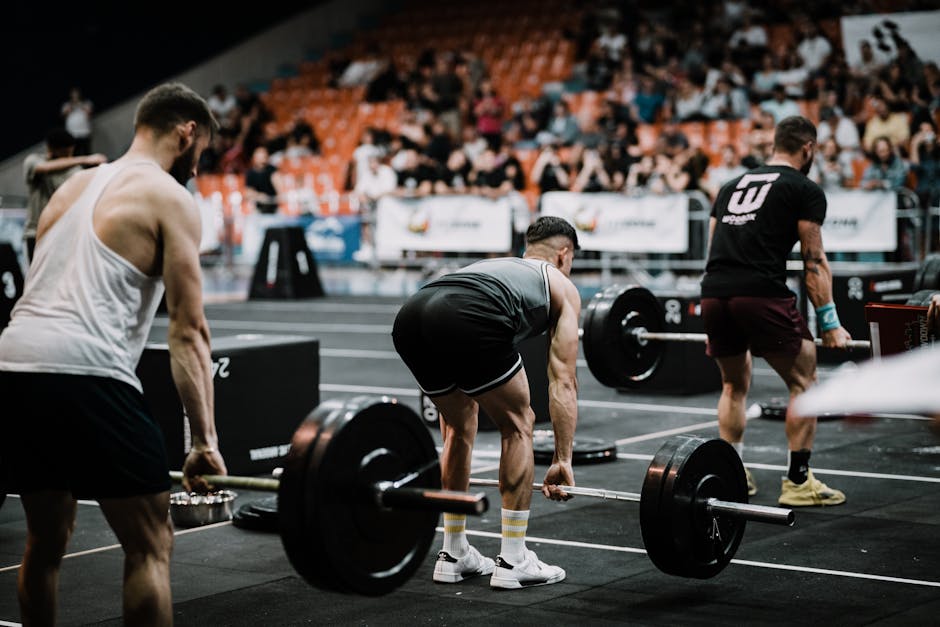
Resistance exercise acutely raises testosterone for approximately 15-30 minutes post-exercise. Over weeks and months of regular resistance training, the baseline testosterone level rises modestly but consistently compared to sedentary controls.
A 2012 review in Sports Medicine found that long-term resistance training produced testosterone increases of approximately 5-15% above baseline in previously sedentary men. The effect is larger in those who are initially more testosterone-deficient and smaller in men who are already active with normal testosterone.
Key variables that maximize the testosterone response to resistance training:
- Compound, multi-joint exercises (squats, deadlifts, bench press, rows) produce larger hormonal responses than isolation exercises
- Higher training volume (more total sets) correlates with greater hormonal response
- Rest periods of 60-90 seconds produce greater acute testosterone elevation than longer rests
Vitamin D
Vitamin D acts as a steroid hormone precursor and vitamin D receptors are present in Leydig cells in the testes. Observational studies consistently find positive correlations between vitamin D status and testosterone levels. Intervention trials are more mixed.
A 2011 randomized trial in Hormone and Metabolic Research found that vitamin D supplementation (3,332 IU daily for one year) raised testosterone by approximately 3.1 nmol/L (about 90 ng/dL) in deficient men compared to placebo. Subsequent trials have shown smaller or no effects in men who are not deficient.
The practical conclusion: if you are vitamin D deficient (serum 25-OH vitamin D below 30 ng/mL), supplementing to adequate levels may raise testosterone modestly. Supplementing in men who are already vitamin D sufficient does not predictably raise testosterone.
Zinc
Zinc deficiency is associated with low testosterone, and zinc supplementation in deficient men raises testosterone. A 1996 study in Nutrition found that zinc restriction in healthy young men reduced testosterone substantially over 20 weeks, and that zinc supplementation in deficient older men raised testosterone.
The same caveat applies as with vitamin D: the benefit is clearest in those who are actually deficient. Zinc supplementation in zinc-sufficient men does not reliably raise testosterone in well-controlled trials.
Foods high in zinc: red meat, shellfish (especially oysters), pumpkin seeds, legumes.
What Does Not Work
Many supplements marketed for testosterone support have weak or no evidence:
Ashwagandha: Some randomized trials show modest testosterone increases (approximately 10-15%) in stressed men. The effect may be mediated through cortisol reduction rather than direct testosterone stimulation. Not consistently effective across all populations.
Fenugreek: Multiple trials show modest free testosterone increases through SHBG inhibition rather than actual testosterone production. Whether this translates to clinical benefits is unclear.
D-aspartic acid: Early small trials were positive; subsequent larger trials found no significant testosterone effect.
Tribulus terrestris: Multiple trials fail to show meaningful testosterone increases in men with normal levels.
For the clinical threshold at which lifestyle changes are insufficient and testosterone replacement becomes appropriate, see Testosterone Levels by Age: What the Numbers Actually Mean and 9 Signs of Low Testosterone That Men Frequently Dismiss.